



May 20, 2025

Understanding Grief

Let’s Talk About Grief


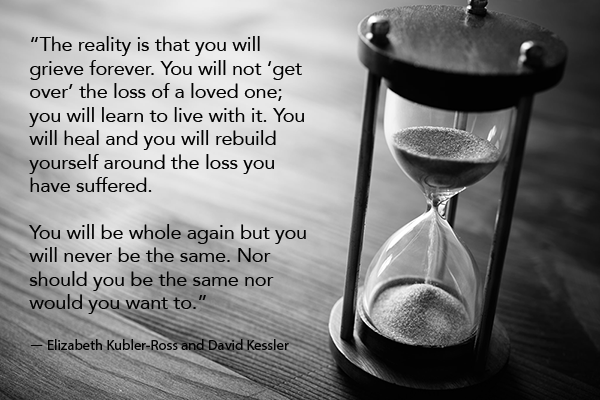
We have all experienced grief in one way or another, and one of life’s unpleasant truths is that we will experience it numerous times throughout our lives. Grief is a natural reaction to a significant loss and is essential in the emotional process of recovery.

Many people are under the impression that there are set “stages” of grief, however, this is an inaccurate portrayal. Some of the more common feelings that one may experience while grieving are denial, anger, guilt, and sadness- grief is simply not linear and cannot be scheduled. It is important that we allow ourselves to experience grief, however that may manifest. There is no set amount of time that can be considered “normal” and often the feelings of grief come and go for years after a great loss.


Grief vs. Mourning


What is the difference? While they are quite similar in definition, grief and mourning are two separate things. In Psychology, grief is known as an internal reflection of loss, while mourning is the way that we outwardly express grief. Often the two go hand-in-hand when we lose somebody that we love.


Why is It Important to Mourn?


While there are parts of grief that we must handle on our own, mourning is important so that you are not alone. Humans are naturally social creatures and over time, our survival has depended on community and social connections. By mourning, we allow the people around us to take part in the grieving process with us. This can look like having a funeral service or celebration of life, talking and sharing memories about your loved one, or even celebrating anniversary dates such as birthdays.


Five Ways to Support Someone Who is Grieving


· Actively Listening- Allow your loved one to express their feelings without judgement or input. Give them a safe space to talk about what they are experiencing.

· Be Present- Let your loved one know that you are available for them, check in, and show up. Just knowing that someone is there to turn to can be a great comfort.

· Acknowledge Their Loss- Offer comforting words and don’t minimize their feelings.

· Show Patience and Understanding- Grief can be a rollercoaster of emotions and can be unpredictable; it may be long-lasting. Be patient and understand that your loved one’s emotions may fluctuate.

· Offer Help- Offering help is a great way to show that you want to help; offer help with errands, childcare, cleaning, or meals.


Our Blogs

By Ron Poston November 23, 2025
Finding Levity in Loss: Why Some Funeral Directors Use Humor Death is an uncomfortable subject for many people. That discomfort often extends to how we feel about the funeral profession itself. For many, the first time they step into a funeral home is after the passing of a loved one. Because of that association, funeral homes and those who work in them are often unfairly linked with morbidity. However, it can be surprising to learn that funeral directors are not the somber, eerie figures portrayed in movies or storybooks. In reality, they are compassionate professionals who balance sensitivity with practicality—and, sometimes, even a touch of humor. While not every funeral director chooses to use comedy, some do. But why would someone in such a serious profession try to be funny? There are several meaningful reasons. 1. Humor Eases Discomfort Death makes people uneasy. It’s difficult to confront our own mortality, and painful to face a future without the people we love. Funeral directors understand this better than anyone. They know that humor, when used thoughtfully, can help ease that discomfort. A lighthearted comment or a moment of laughter can be disarming in the best way—it breaks tension, allowing people to feel a little more human in a deeply emotional setting. In those moments, laughter doesn’t trivialize grief; it helps make an unbearable situation just a little easier to bear. Funeral directors are often highly empathetic and adaptable individuals. Their goal is to provide comfort in whatever form a family most needs. For some, that comfort comes through quiet understanding. For others, it might come from a brief, unexpected moment of levity. 2. Laughter Helps Us Cope with Grief Laughter is more powerful than it seems. It strengthens the immune system, releases endorphins, and even reduces pain. In the context of grief, humor has been shown to ease emotional suffering. Research has found that widows and widowers who were able to laugh and smile when remembering their loved ones experienced lower levels of depression and anxiety. While laughter cannot erase grief, it can help transform it into something more manageable. Grief doesn’t vanish after the funeral—it evolves. Over time, it becomes what’s known as integrated grief: a gentler, ongoing presence that we carry with us. Continuing to find humor in life helps keep that grief from overwhelming us. Funeral directors may not be therapists, but by allowing moments of levity, they can support families as they begin their healing journey. 3. Humor Reduces Stress During Funeral Planning Planning a funeral is inherently stressful. There are countless decisions to make, and the pressure to “get it right” for a loved one can be immense. Families often question whether their choices truly reflect the wishes of the person they’ve lost. In such emotionally charged moments, a bit of humor can be grounding. Physiologically, laughter triggers a short-term stress response—raising heart rate and blood pressure—but then brings them down to calmer levels, leaving the body relaxed. It also releases muscle tension and improves mood, making it easier to face difficult tasks. A funeral director who uses gentle humor may be doing so intentionally—to ease your burden, help you breathe, and remind you that it’s okay to find light even in darkness. 4. Humor Encourages Healing and Living Funeral directors spend their careers talking about death, but they also deeply understand life. They know that when someone walks through their doors, they are often in one of the hardest moments of their existence. Part of their role is to remind grieving families that it’s okay to keep living—and that joy and sorrow can coexist. After a loss, people often experience acute grief, a stage in which everyday life can feel impossible. Laughing may even feel wrong. But humor, used with compassion, can gently open the door back to life. 5. Every Funeral Director Is Different Not every funeral director incorporates humor into their work—and that’s perfectly fine. Some prefer a more formal or traditional approach. But for those who do bring levity into their profession, it’s done with care, empathy, and respect. Their goal isn’t to minimize loss, but to make a painful process a little lighter, a little more human. Funeral directors are not the ominous figures of fiction. They are caring professionals who guide families through some of life’s most difficult transitions. And sometimes, with the right touch, a shared laugh can be one of the most healing gestures of all.
By Ron Poston October 4, 2025
Encountering a Funeral Procession
By Ron Poston September 26, 2025
Understanding Memorial Services
By Ron Poston September 17, 2025
Understanding the Cost of a Funeral: Looking for Value, Not Just Price
August 23, 2025
The People Who Make a Funeral Possible: A Look Inside the Funeral Home
August 8, 2025
Preparing for a Funeral? Have a Clear and Open Communication with the Funeral Home.
By Ron Poston June 29, 2025
What is a Columbarium Niche?

June 22, 2025
Honoring someone who is loved!
June 15, 2025
Some people don't believe in heroes, but they haven't met my Dad.
By Ron Poston June 14, 2025
This We'll Defend
More Posts